saim.trades
Money used to mean bills, coins, and bank accounts. Now, cryptocurrency lets value move through the internet itself.
At first, crypto can look like a wall of charts, slang, and hype. Strip that away, and the core idea is simple: it’s digital money that runs on a network. Once you understand the record book, the keys, and the people checking transactions, the subject gets much easier to follow.
What makes cryptocurrency different from regular money?
Regular money is issued by governments and managed through banks. Crypto is different because it lives online and usually runs without one central authority.
Digital coins, not paper bills
A cryptocurrency does not sit in your pocket. It exists as data on a network, and you access it through a wallet app, hardware device, or exchange account.
That means a coin is not a physical object. It’s a record that says a certain address controls a certain amount. Some projects call these units coins, while others call them tokens, but the basic idea stays the same.
When people say they own crypto, they own the keys or account access tied to that record. The value moves online, not hand to hand.
No central bank behind it
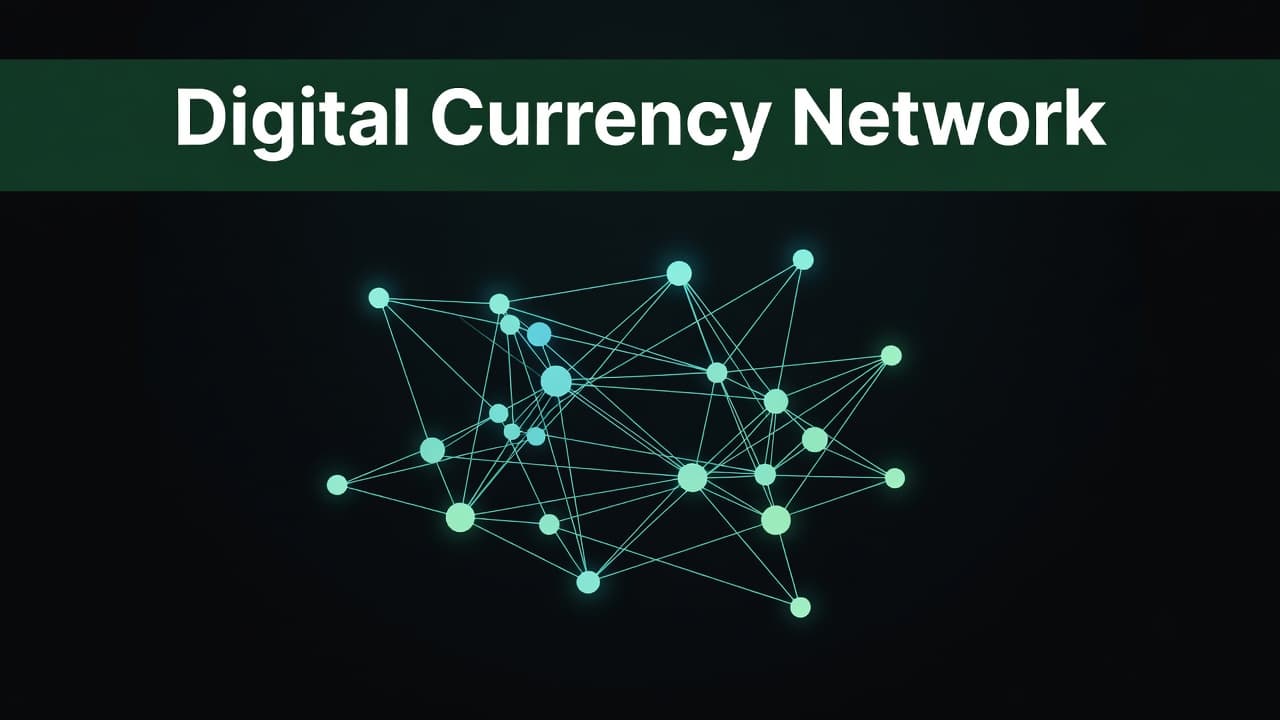
Most cryptocurrencies don’t rely on one bank to update balances. Instead, many computers keep the system running together. This setup is called decentralization.
Because the record is shared, users can often inspect transactions on public block explorers. Control is spread across the network, not parked inside one office. That doesn’t remove trust; it shifts trust toward open rules, code, and a public record.
How cryptocurrency works behind the scenes
Behind the screen, crypto depends on a record that many computers agree on. That record tracks who sent what, when it happened, and whether the transfer was valid. That shared agreement lets strangers transact without knowing each other.

The blockchain acts like a shared record book
A blockchain is a ledger, which is a list of transactions stored in order. New transactions are grouped into blocks, and each block connects to the one before it. That chain helps preserve the history.
If someone tried to rewrite an old transfer, the rest of the network would spot the mismatch. That’s why blockchains are useful for moving money without one bookkeeper in charge.
Transactions are checked by the network
When you send crypto, the network checks the message first. It looks at the sending address, the amount, and whether the funds are available. Then miners or validators confirm the transaction, depending on the system.
Different blockchains reach agreement in different ways, but the goal is the same. After that, the transfer is added to the ledger. A beginner guide to how cryptocurrency works gives more detail on this process without drowning you in jargon.
Cryptography keeps ownership secure
Crypto uses keys instead of signatures on paper. Your public key works like an address other people can send funds to. Your private key proves the funds are yours and lets you approve a transfer.
When you sign a transaction with that private key, the network can verify it without exposing the key itself. Your wallet handles most of this in the background, so you usually only see an address and a confirmation screen.
Why people use cryptocurrency today
People use crypto for different reasons, and those reasons don’t always match. Some want faster payments. Others want exposure to a volatile asset. The same technology can look useful to one person and risky to another.
Sending money across borders can be faster
International bank wires can take time because several banks may sit in the middle. Crypto can move directly between wallets, day or night. In some cases, that means faster transfers and lower fees.
That matters for freelancers, families, and businesses that need funds to arrive outside normal banking hours. The RBA explainer on digital currencies also describes crypto as a way to support direct online payments between people.
Some people see crypto as an investment
Many buyers treat crypto like a speculative asset. They hope the price rises and sell later for a gain. That can happen, but prices can swing hard in both directions.
A sharp drop can erase months of gains in hours. Gains are never guaranteed, and risk is part of the package.
Others use it for trading or everyday payments
Some people trade short-term price moves. Others use stablecoins or major cryptocurrencies to pay for goods and services where merchants accept them.
Use cases change by country, app, and coin. Some networks are built for low-cost transfers, while others are used more as speculative assets.
What new users should know before buying crypto
Before anyone buys crypto, it helps to know where it will sit, how access works, and what can go wrong. Beginner mistakes are common because crypto gives you more control, and more control means more responsibility.
Wallets, exchanges, and private keys
An exchange is a platform where people buy, sell, and sometimes hold crypto. A wallet is the tool that lets you access and manage your coins on the network.
Keeping funds on an exchange is convenient, but it also means trusting that platform’s security and rules. In every case, the most sensitive item is your private key or recovery phrase. If someone gets it, they can take the funds. If you lose it, you may lose access for good.
Price swings, scams, and safety checks
Crypto markets move fast, so small positions can feel large in a hurry. Scams also crowd the space, from fake apps to phishing links to “guaranteed” returns. Scammers create urgency because rushed people stop checking details.
Slow down before you act. Double-check website addresses, use trusted platforms, and turn on two-factor authentication. For a balanced starting point, Charles Schwab’s cryptocurrency explainer is a useful plain-English read.
Conclusion
Crypto is digital money that runs on code, networks, and shared records instead of paper and bank ledgers. The blockchain tracks transfers, cryptography proves ownership, and the network checks that each payment is real.
Once those pieces click, cryptocurrency stops feeling abstract. It becomes a new way to store and move value, with real benefits, real limits, and real risk.